SEPTEMBER 2026
CHRISTMAS MARKETS
I was talking to a friend yesterday who is going to be spending 3 months in Portugal starting in November. She mentioned that a very dear friend of hers was thinking seriously of joining her for some Christmas Markets, which to me sometimes are off the beaten regular path. More specifically in her case Konstanz-Germany—kind of really off the beaten path, located about 45 minutes over the German-border after flying into Zurich – easy to get to by train. She was there last year and sent me some really beautiful shots of the area and the market as well. (Ask me and I will find them for you)
This conversation reminded me that..hey, there are others – so here are six new ones to explore and think about.
OK, I am completely guilty – imagine that – but this year I want to also lead you to six other areas that have marvelous Christmas Markets that you need to put on your Travel to Christmas Market radar. Not that the ones of Amsterdam, Budapest, Vienna, Nuremburg, Passau etc aren’t almost the best – well, among the river cruises, they stand out the most. However, there are others. I remember my very first Christmas Market foray was in the Czech Republic, Brno in 2005 to be more specific – and I had NO idea. One Christmas Market and I was hooked forever. The people, the snow (and COLD), the handmade Christmas ornaments, glug and ok, cookies too.

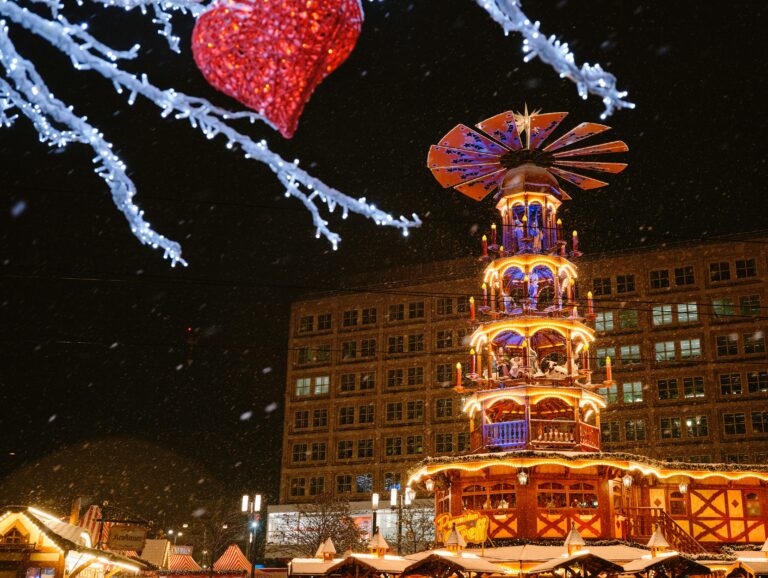
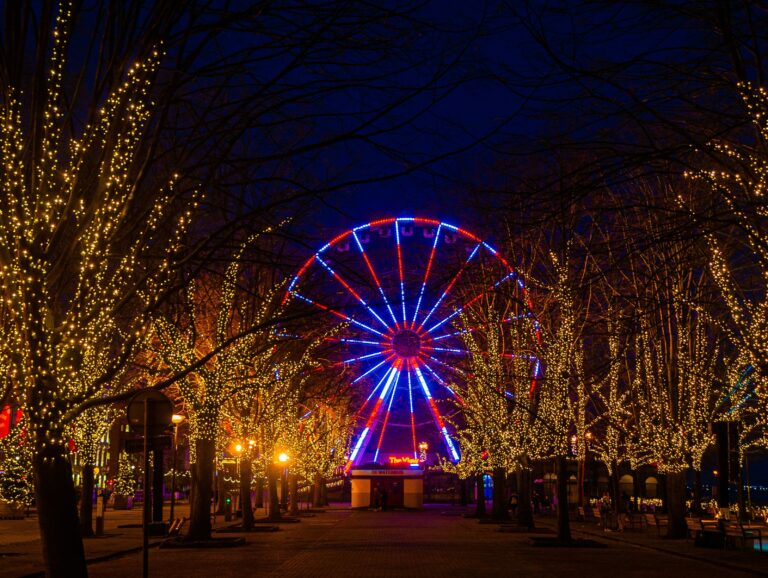
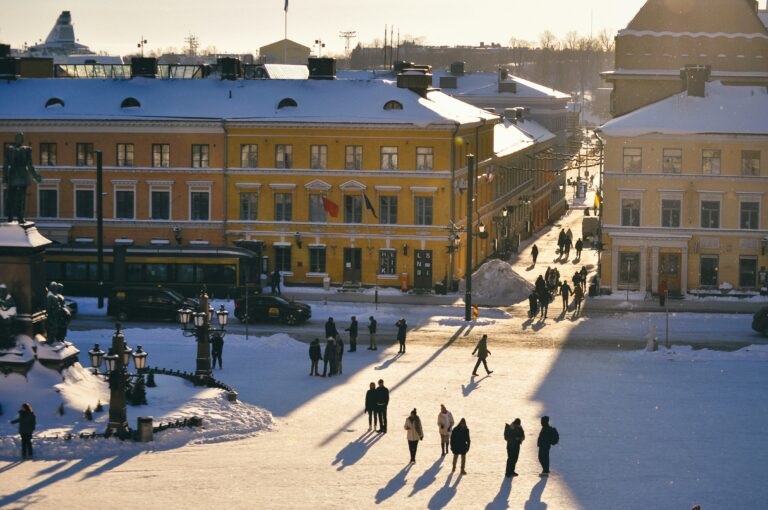
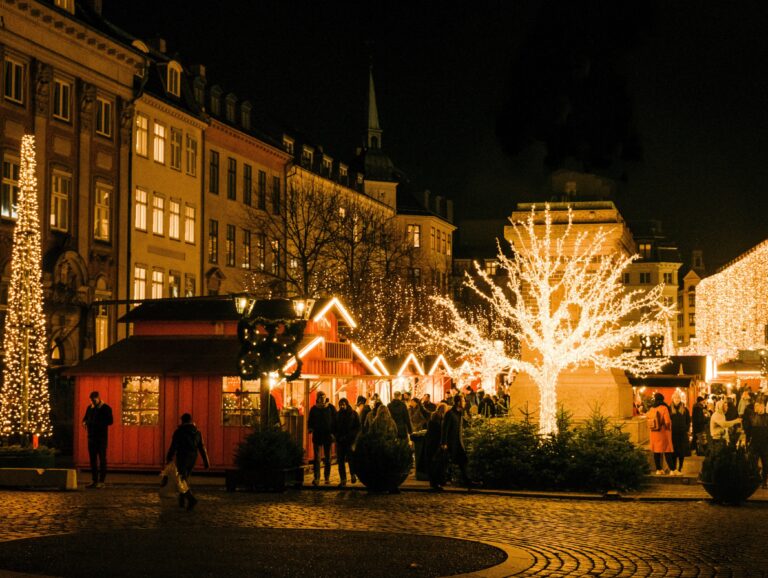
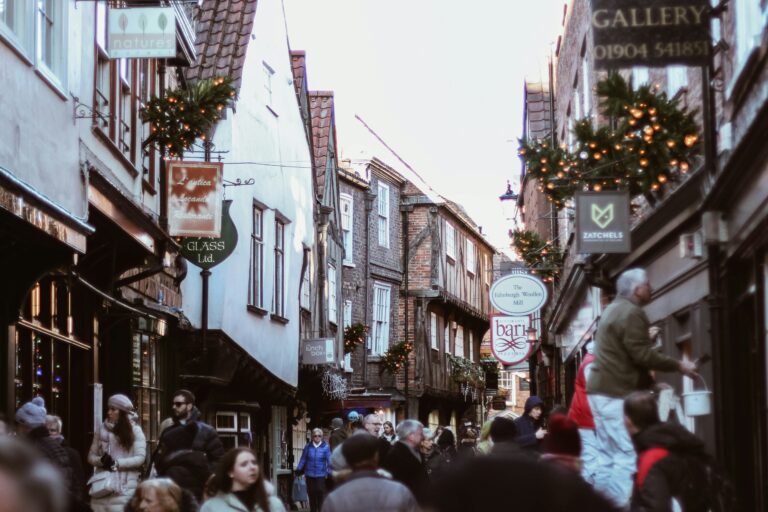
There's something irresistible about a really good Christmas market: twinkling lights on medieval cobbles, gingerbread scenting the cold air, mulled wine warming your hands, snow settling on the rooftops above. If Germany, France and Austria come to mind first, I am going to introduce you to six other markets that hold just as much magic.
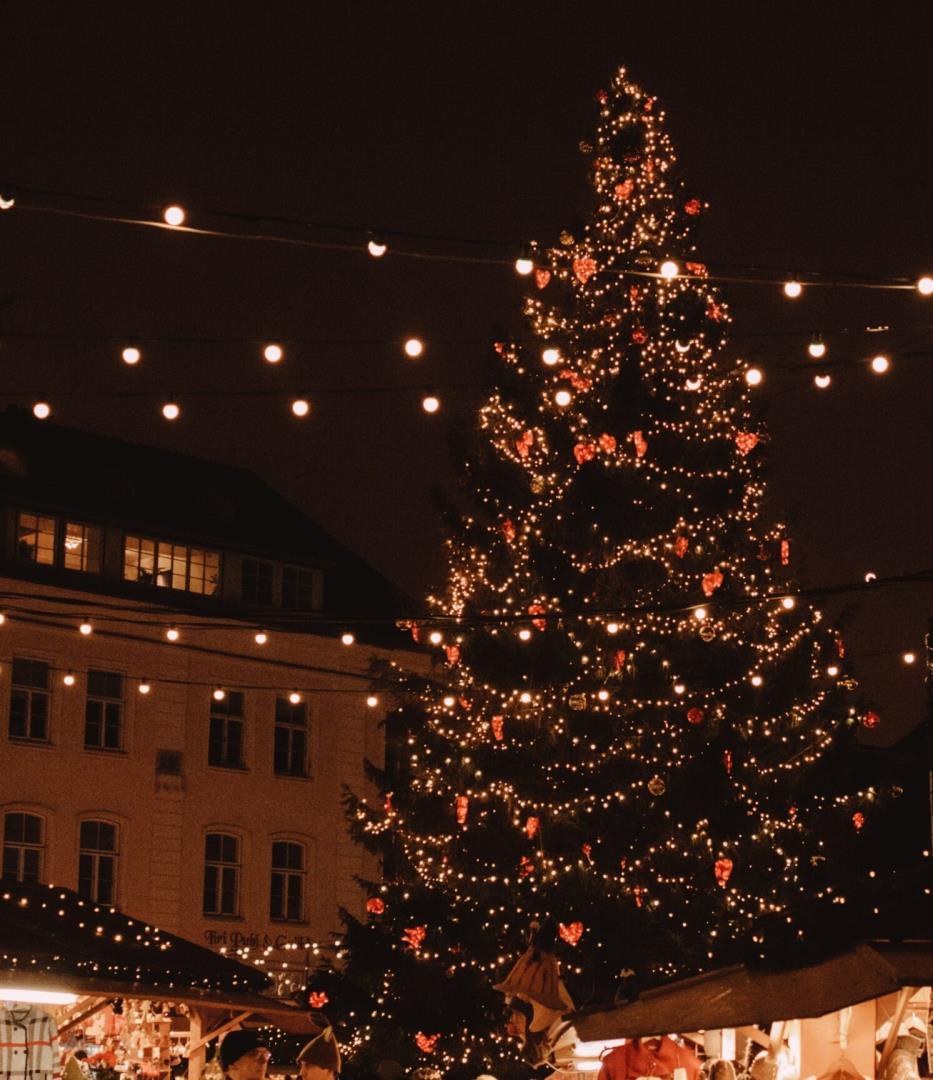
Tallinn (ESTONIA) food is warming and festive, with Estonian gingerbread cookies richly spiced with cinnamon, ginger, and cloves (wouldn’t it be fun to get an original cookie recipe from there?); hearty sausages (kielbasa); and tangy sauerkraut, all accompanied by glasses of fragrant glögi that warm you from the inside out. (However, we had beer instead as it seems the perfect drink to go with Kielbasa and sauerkraut-then and still does to me now.) The Tallinn tree experience goes back to 1441. The tree, typically between 15 and 18 meters tall and sourced from across Estonia via an annual competition, is strung with twinkling fairy lights, with charming wooden market stalls because those are the actual market look and feel. It is really interesting because they take them apart after the Markets, put them away and take them out the next year to put up. I know because I saw this in Passau when they were getting ready for the Christmas Market season. Very clever.
Antwerp’s (Flemish Region of Belgium) ornate medieval streets make striking backdrops to the annual Christmas Market. The Kerstmarkt (Christmas Market) unfolds across the historic centre, with distinct themes and stalls built around things like the ice rink at Groenplaats beside Antwerp Cathedral and a Ferris wheel overlooking the Scheldt. But the main event is at the historic Grote Markt, where local jenever is spiked with cinnamon or vanilla, best paired with delicious Belgian waffles. Again, I don’t know if they do, but a recipe to bring home to enjoy later and remember the trip would be really worth it.
The shopping is world-class too, with Dries Van Noten’s hometown boutique in the historic Modepaleis, alongside Moncler, Chanel and Louis Vuitton—which are not on my radar because I tend to look for and get original handmade items , making Antwerp an excellent addition to a Christmas shopping trip in Europe.
Kraków (Poland) offers one of the most authentic alternatives to the classic German Christmas market. The main market spills across the vast Rynek Główny, beneath the towers of St Mary’s Basilica as horse-drawn carriages trot by in the background. Local food to try includes grilled oscypek — smoked cheese served warm with cranberry — alongside pierogi, hearty stews, steaming mugs of grzaniec — Polish mulled wine, and grilled kielbasa. I tell you what, once you experience cheese from Europe—the ones here at home sometimes don’t stand a chance. That’s why I love to come back through Amsterdam on the way home—the corner duty free shop on the way to the Delta gates has Chocolate and Cheese—trust me, I know right where It is! Saves time, not money.
Beyond the markets, Kraków is renowned for its extraordinary handmade szopki nativity scenes, a centuries-old tradition and UNESCO-recognised Intangible Cultural Heritage that blends the Christmas manger story with Kraków’s distinct architectural aesthetics. If the timing is right, visit the annual competition, held on the first Thursday of December. These really make me miss having a fireplace mantle where I used to keep my nativity scenes from Germany, Austria as well as Israel.
Basel’s (Switzerland) Christmas market spreads across Barfüsserplatz and Münsterplatz, with around 150 wooden chalets selling gingerbread-like Läckerli, raclette and steaming mugs of mulled wine. On Münsterplatz, the stalls gather beneath the cathedral and its magnificent Christmas tree, while a short walk to the Pfalz offers vistas of the Rhine and the illuminated city beyond.
Between festive strolls, we can arrange private visits to the Fondation Beyeler, one of Switzerland’s most renowned modern art museums, and the Museum Tinguely, home to the world’s largest collection of Jean Tinguely’s kinetic works.
Helsinki (Finland) puts a distinctly Finnish spin on Europe’s Christmas markets, with Tuomaan Markkinat filling Senate Square with stalls and a carousel beneath the domes of the Helsinki Cathedral.
The market is filled with locally made crafts and distinctive Finnish winter fare: rice porridge with cinnamon and sugar, pipari gingerbread, plum pastries and hot glasses of glögi to help warm those icy Nordic evenings.
But the market is only the beginning. Helsinki’s Design District is ideal for shopping Finnish design and beautifully made gifts, and the Old Market Hall serves smoked salmon, rye bread and warm lohikeitto (salmon soup) if food is your priority.
York (UK) has all the iconic ingredients of a classic European city break. The medieval centre — tipsy cobbles and towering spires — is transformed by the Christmas Market, with chalets stretching along Parliament Street, stocked with local crafts and produce. More than 80% of the traders are from Yorkshire, making this a particularly good market for regional food and gifts rather than simply browsing the same stalls found elsewhere.
From here, the charming Shambles, the stained glass of York Minster, and the scenic city walls add plenty to an itinerary, while cosy pubs and a selection of restaurants offer more ways to sample Yorkshire’s wonderful produce and cuisine.
AUGUST 2026
See the seats? I sat in approximately the middle section and watched for 2 hours. Absolutely breathtaking. For more than **450 years**, the Spanish Riding School of Vienna has preserved a tradition of horsemanship unlike almost anything else in the world.
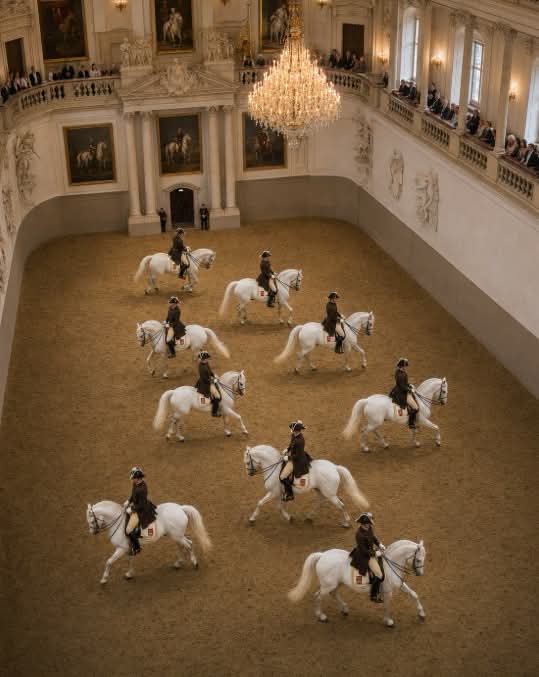
At the heart of that history are the magnificent **Lipizzaner horses**.
Closely associated with the Habsburg monarchy, the breed developed from Spanish, Italian and other European bloodlines and became famous for its intelligence, strength and extraordinary ability to perform the demanding movements of classical dressage.
The school's spectacular home, the **Winter Riding School at Vienna's Hofburg Palace**, was completed in the 1730s under Emperor Charles VI. With its enormous chandeliers, white galleries and grand Baroque architecture, it looks more like a royal ballroom than a riding arena.
But what happens inside is the result of years of patient training.Young stallions begin with the fundamentals before gradually progressing to increasingly advanced movements. Only the most talented horses will master the famous **"Airs Above the Ground"** — breathtaking exercises including the levade, courbette and capriole that have become synonymous with the school.
The riders themselves undergo years of training too, with knowledge traditionally passed from one generation to the next.
Perhaps most remarkably, the Spanish Riding School survived the fall of the Habsburg Empire, two world wars and enormous social change. Its Lipizzaners even faced extraordinary danger during the Second World War, when efforts were made to protect and evacuate the horses as fighting swept across Europe.
Today, visitors can still enter that magnificent arena in Vienna and witness an equestrian tradition whose roots reach back centuries. (Go inside the museum-store to purchase tickets --they are approxiately $20. You can also get magnets, dvd's and more.)
In **2015, UNESCO recognised the school's tradition of classical horsemanship as Intangible Cultural Heritage** — acknowledging something horse lovers have appreciated for generations. This isn't simply a performance.**It's more than four centuries of equestrian history still being ridden today.**
#SpanishRidingSchool #Lipizzaner #EquestrianHistory #ClassicalDressage #HorseHistory

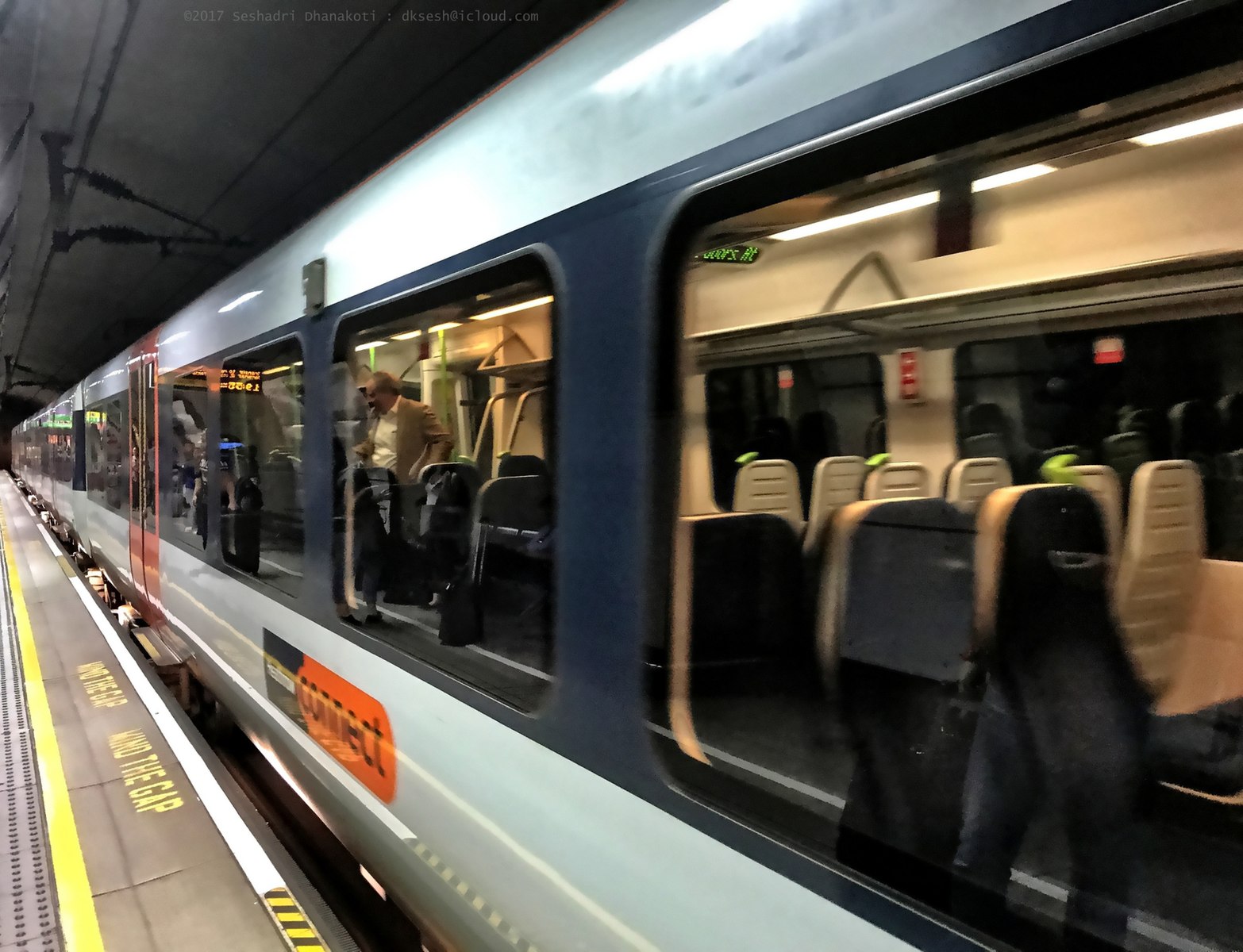
This could also be considered a Travel Tip, so I wavered where I would put it - if you are traveling to London and the UK area, staying there, then this is for you.
Take Heathrow Express: the fastest way from Heathrow to Central London in just 15 minutes*.
*15 minute journey time to and from Terminals 2 and 3 with an extra 6 minutes from Terminal 5. T&Cs apply.
JULY 2026
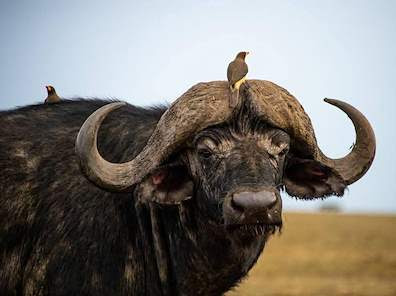
AFRICA - on my mind, is it on yours? Should be, look at what you are missing!



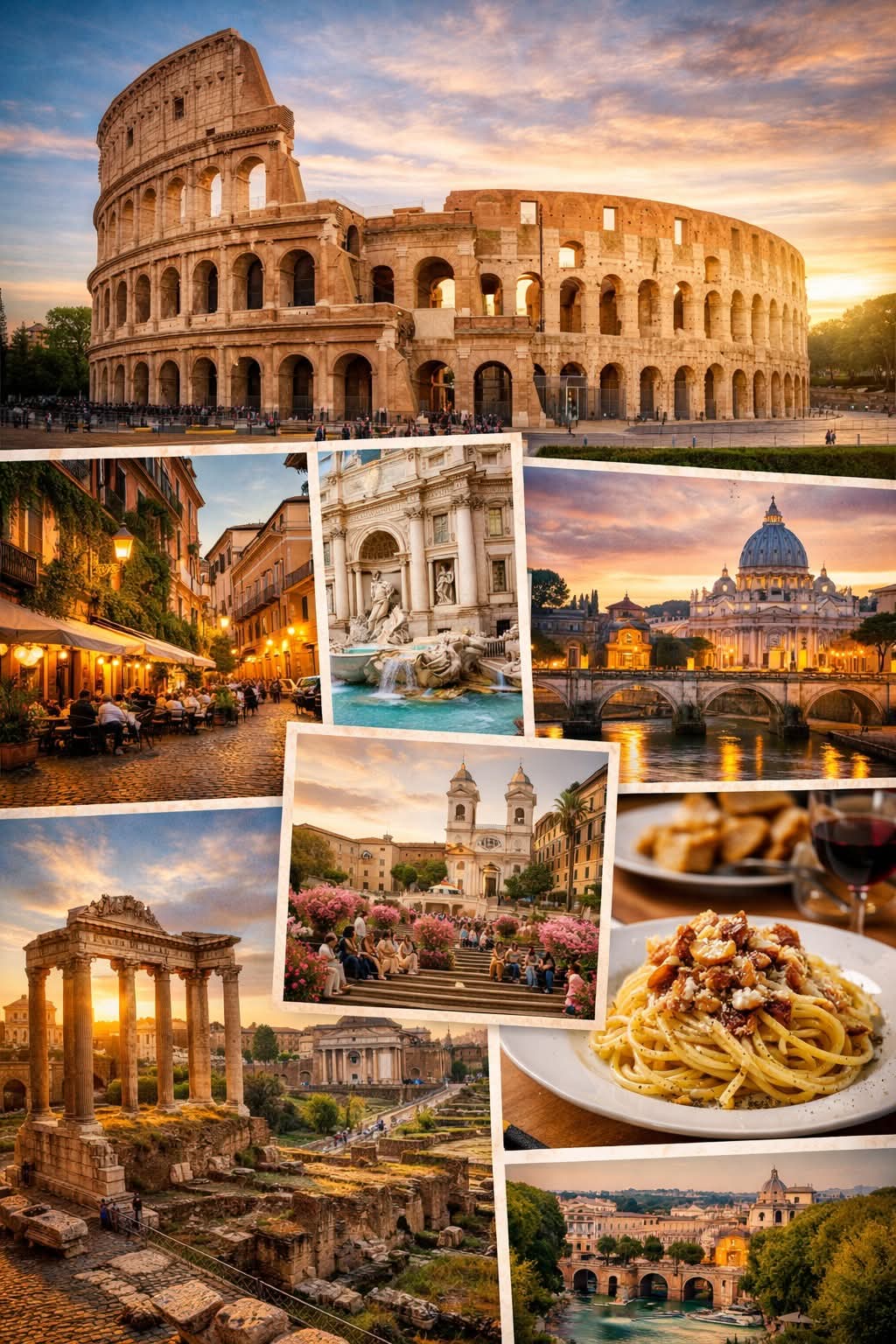
ITALY (AGAIN) ROME - food secrets and more
One of my supplier friends who is in Rome now, said this..and I agree. I see and felt something new everytime I went. Waiting to go back and see what else. Trastevere, I think,.
 Rome is not just a city, it’s an experience. Every corner tells a story — from the ancient ruins of the Colosseum to the quiet charm of Trastevere’s streets, where time seems to slow down. Whether it’s your first visit or your tenth, Rome always finds a way to surprise you again.
 History, culture, food, and life — all in one place.
ITALY - TUSCANY and PUGLIA Destination Secrets
Did you know, everyone who visits Tuscany wants to go back. Everyone who visits Puglia wants to move there. They are not the same feeling, and that difference tells you almost everything about what separates these two regions.
Let me explain what each place actually is, what each one costs you, and which one fits your trip. Having been to both, I feel people need to “feel” the difference. This is going to be a series, not an all at once trip or destination area experience. Summer is coming so we will do Tuscany first. Remember, the tourist season is high cost and LOTS of people, plus Italy is hot in the summer.
WHAT TUSCANY IS
Tuscany is the Italy of the imagination. The cypress trees, the rolling hills, the vineyards of Chianti, Florence at the center with its dome visible from thirty kilometers away. When people who have never been to Italy picture Italy, they are picturing Tuscany.
This is both the region's greatest strength and its most important limitation. Tuscany delivers exactly what it promises. The landscape is genuinely that beautiful. The medieval hill towns — Montepulciano, Pienza, Cortona, Volterra — are the real thing, not reconstructions. Florence is one of the greatest concentrations of art and architecture on earth.
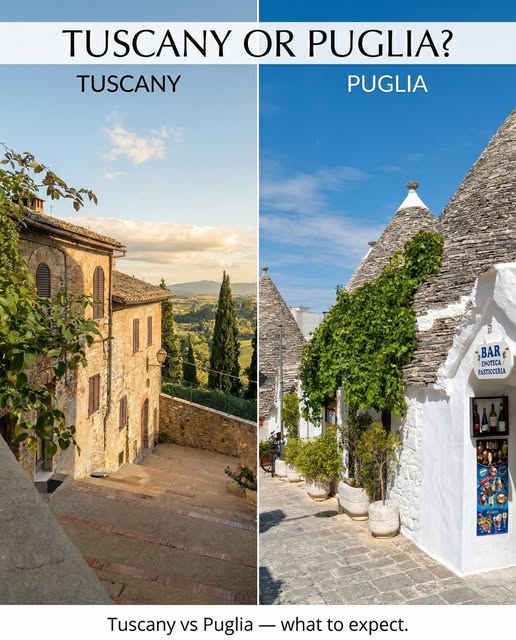
The limitation is that Tuscany now knows exactly what it is worth. Florence in July receives more tourists per square kilometer than almost any city in Europe. The Chianti route in high summer is a traffic queue of rental cars. Siena's Piazza del Campo, one of the most beautiful public spaces in Italy, is ringed with tables charging €5 for a coffee. The region has understood its own mythology and priced itself accordingly. This does not make it less beautiful. It makes it less Italian
************************************
Tunisia and doors, plus traveling during Ramadan from a Viking Cruiser view:
A morning excursion was not as interactive as it normally would have been. With the start of Ramadan, certain celebratory days, etc… the Souk was mostly closed up, with locals being home with their families. I can’t fault that. It’s their life, their traditions; we are merely visiting. I hope I would never be so selfish as to begrudge their choices.
Our guide spent a great deal of time assuring us (not that we needed assurance per se) how evolved their country is. In terms of autonomy for women, ongoing education for all, quality health care, and so on… she was very proud of her country.
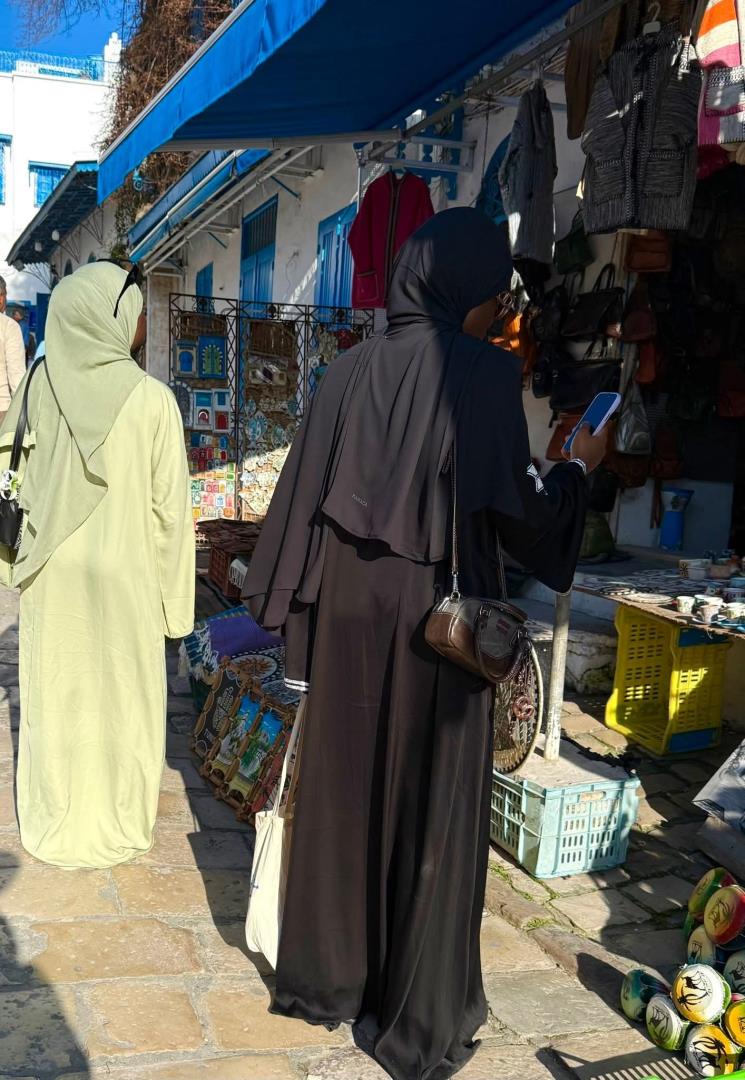
In the afternoon, the same guide was assigned to our optional tour. We visited a portion of a Roman aqueduct, saw other examples of Roman occupation, saw the bathhouses of Carthage, and ended up free exploring a Moorish village called Sidi Bou Said.
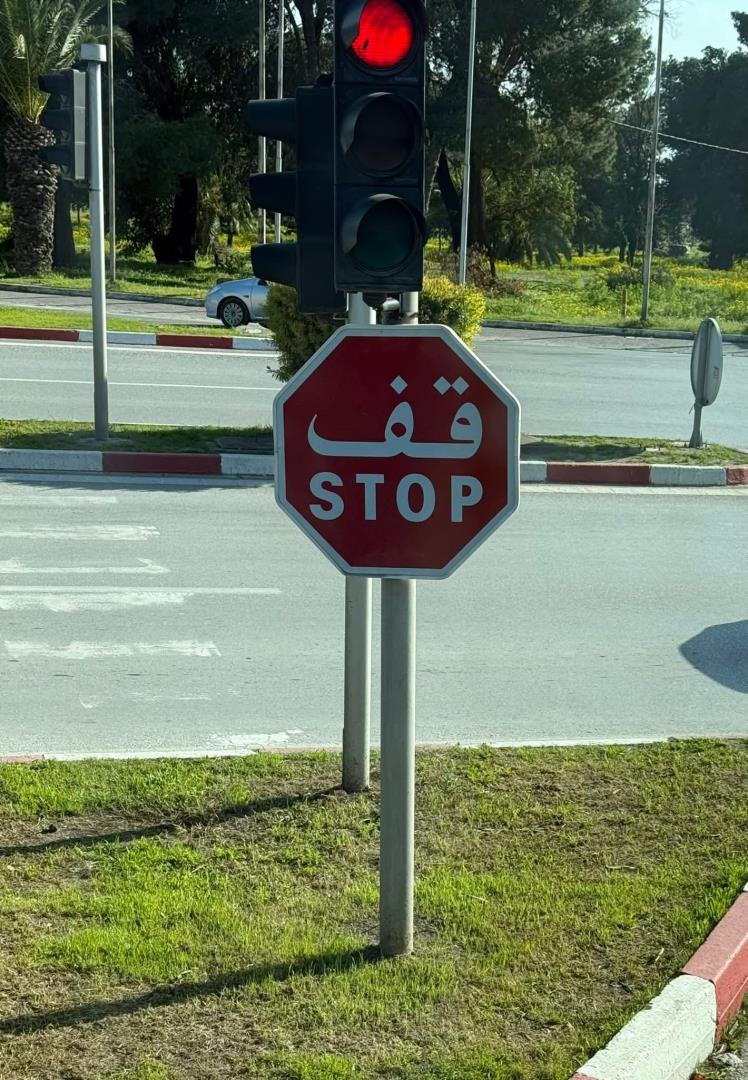
Shopping: gads almighty, some of the shop keepers are persistent. I made the mistake of looking too long at the lovely ceramics. I know better… but I did see an appealing serving platter. The cost went from $150 (yes dollars) to $75. As I was politely leaving, thanking him for his time but declining a sale, he was all over me, lowering the price… following me out onto the street. The last sentence from him as I was walking away, “Miss, MISS! $40 for you.” I held my resolve. It was probably worth every penny. But the plate will find a home in someone else’s suitcase.
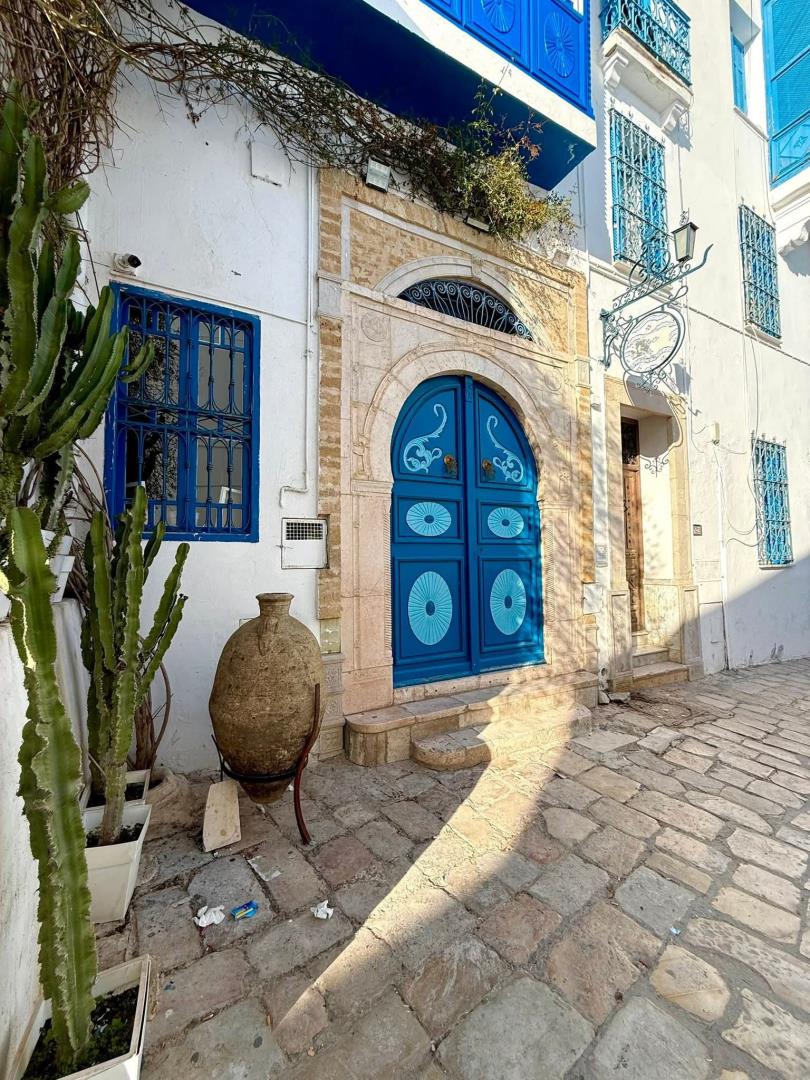
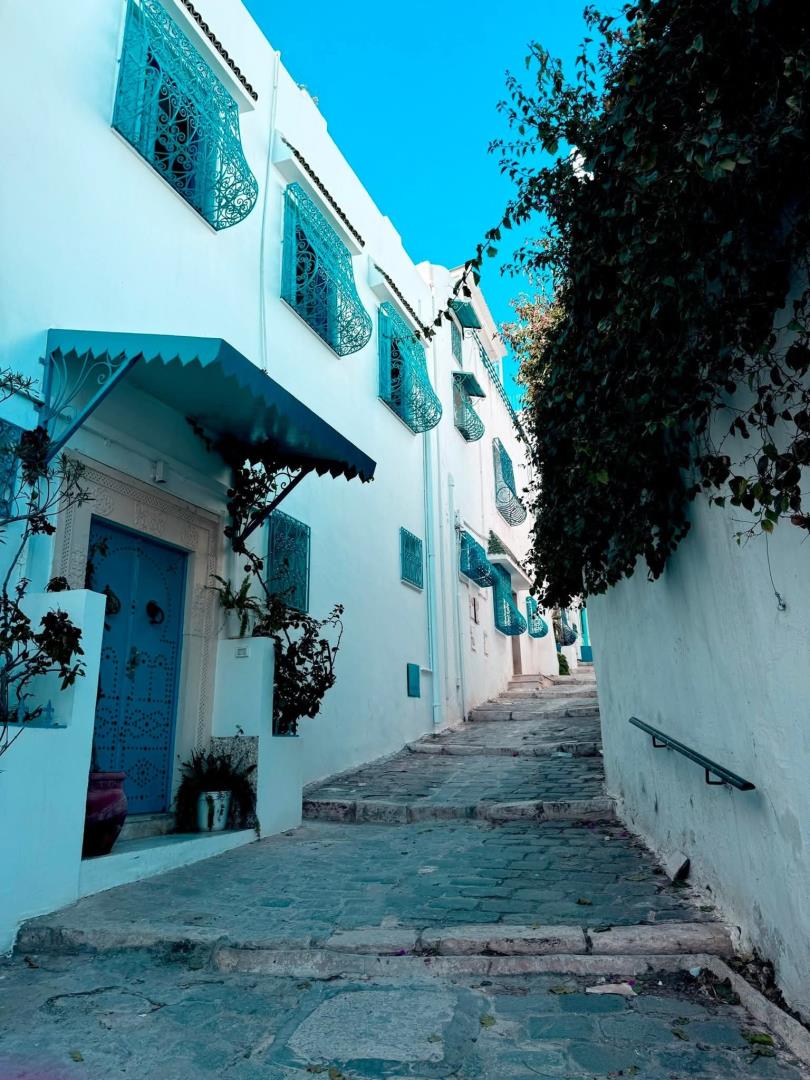
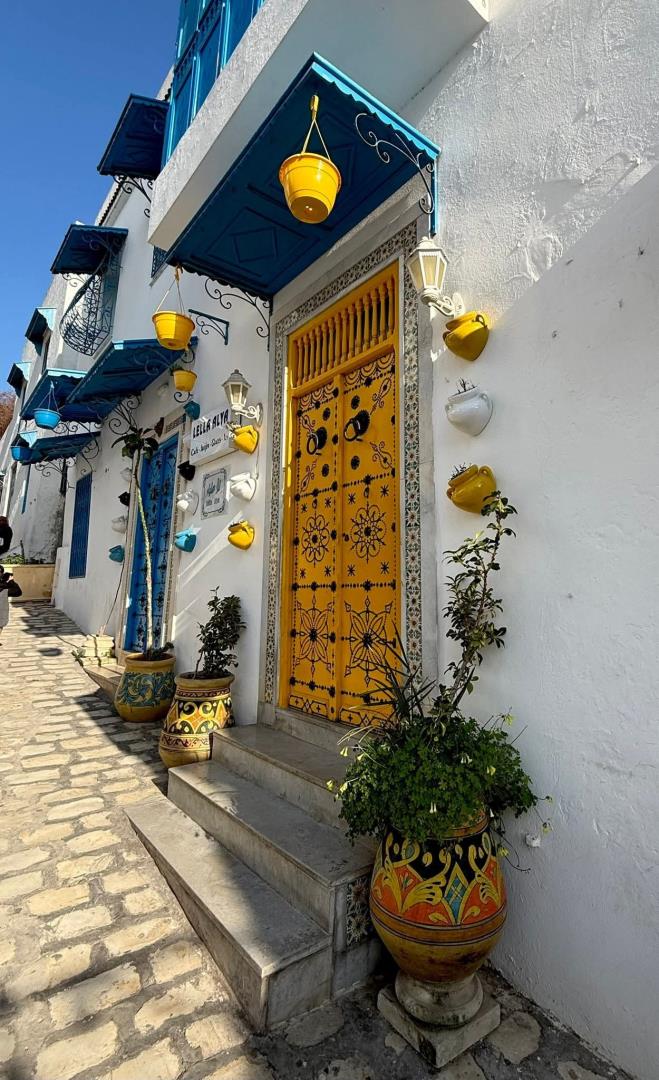
In Tunisia, we saw, Roman, French, and Tunisian cultures melded into one, in the short time ashore. That’s what these experiences are with Viking, a taste of multicultural immersion.
Call: 541-622-8284
Text Only: 541-613-2375
FL Seller of Travel # ST38545
CA Seller of Travel # 2071045-50
Medford, OR 97504