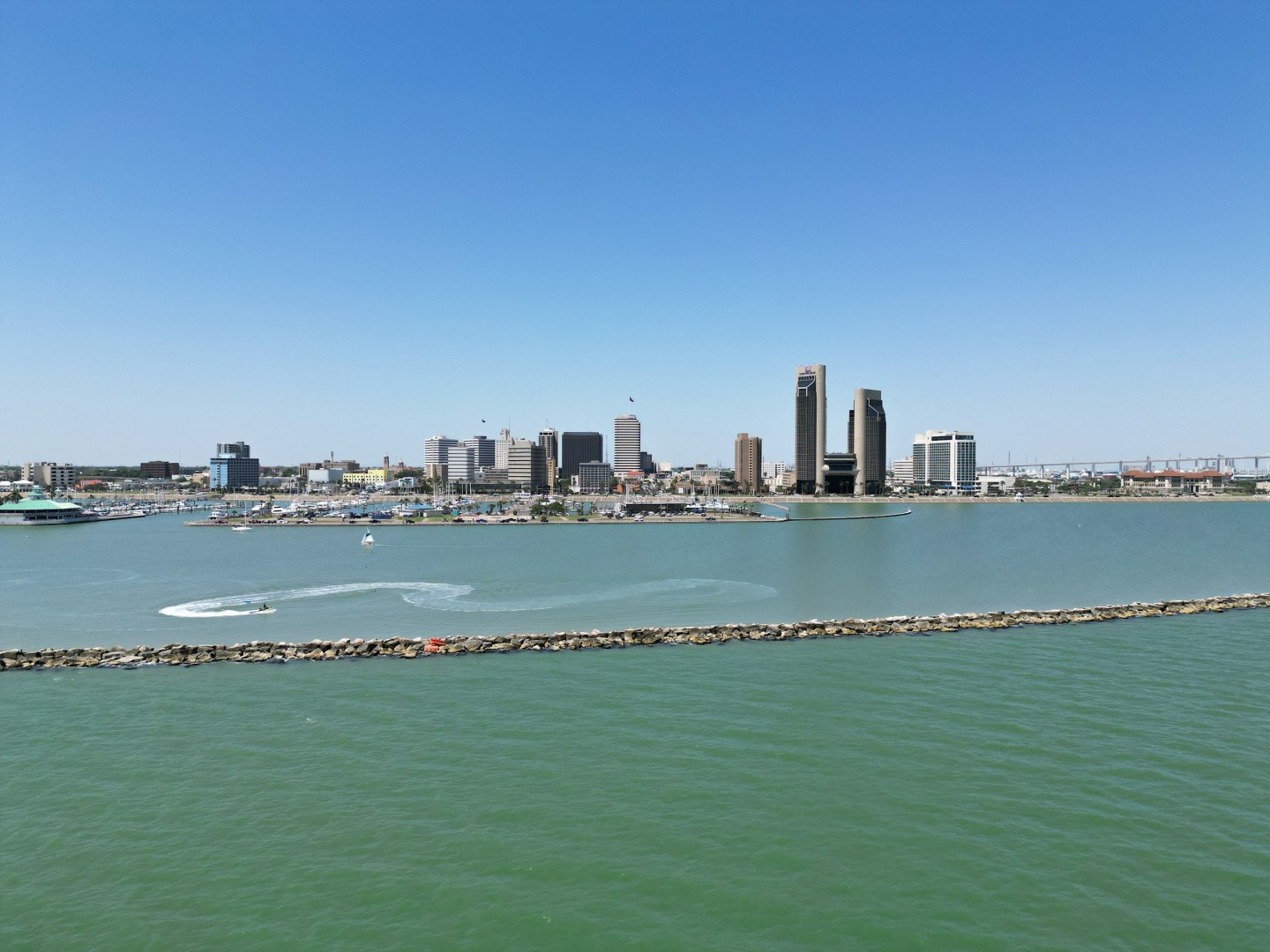
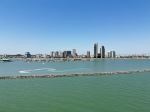
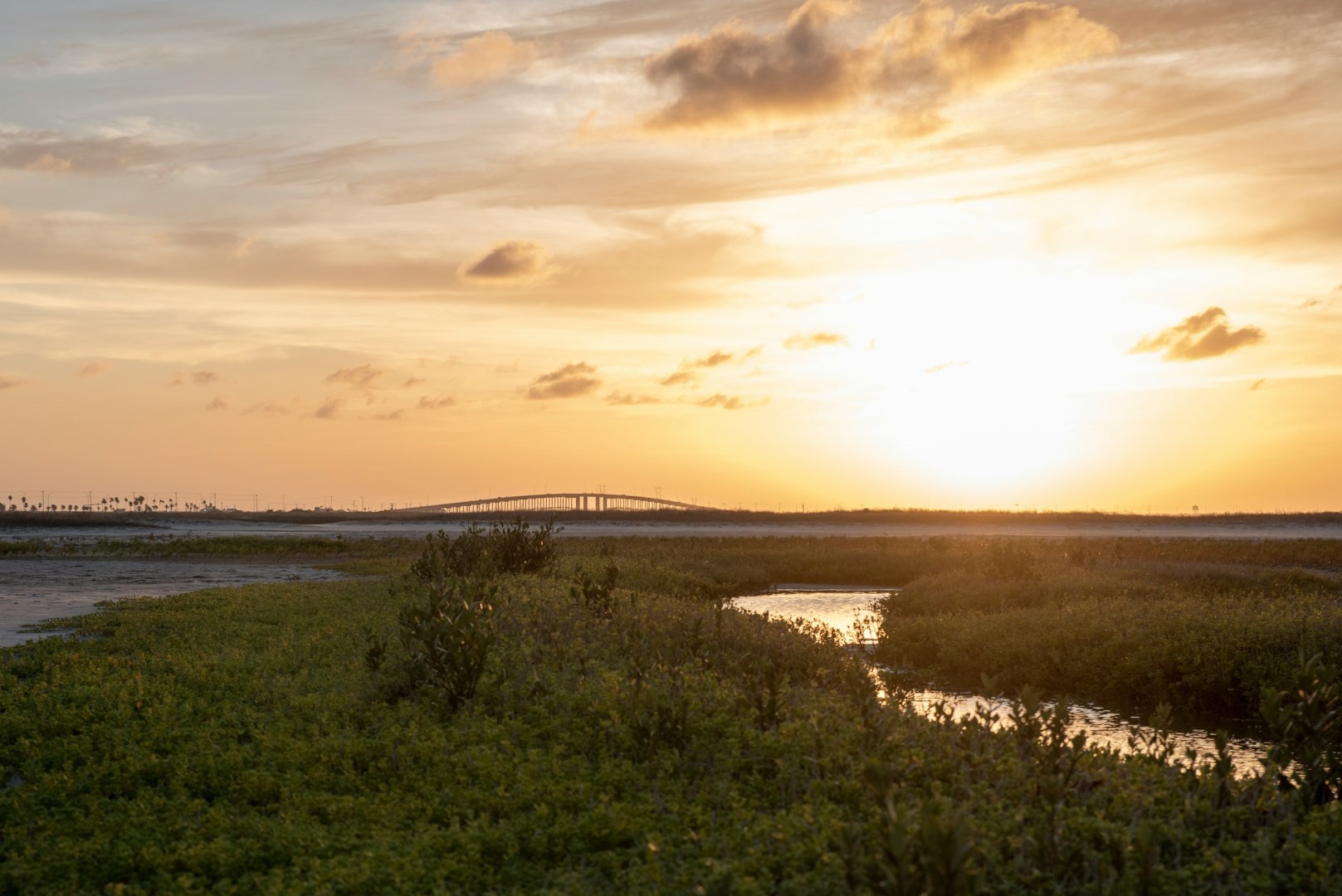
Corpus Christi is a coastal city on the Gulf of Mexico in southern Texas, set along Corpus Christi Bay and separated from the open Gulf by Padre Island and Mustang Island. Its landscape includes broad beaches, tidal flats, coastal wetlands, and shallow bays that support a wide range of marine and bird life. The city is also an important port and industrial center, with large working waterfronts alongside residential neighborhoods and recreational areas. Its location on the Texas coast gives Corpus Christi a close connection to both maritime commerce and the surrounding coastal environment.
The area has longstanding connections to Indigenous peoples, including the Karankawa, who lived along the central Texas coast. Spanish exploration and later settlement shaped the region's cultural development, while ranching, fishing, shipping, and military activity became important to the local economy. The Corpus Christi Museum of Science and History explores the natural and human history of the region, while the Art Museum of South Texas focuses on visual arts connected to Texas and the wider Gulf Coast. The city's cultural identity also reflects its Mexican American heritage, particularly in food, music, and community traditions.
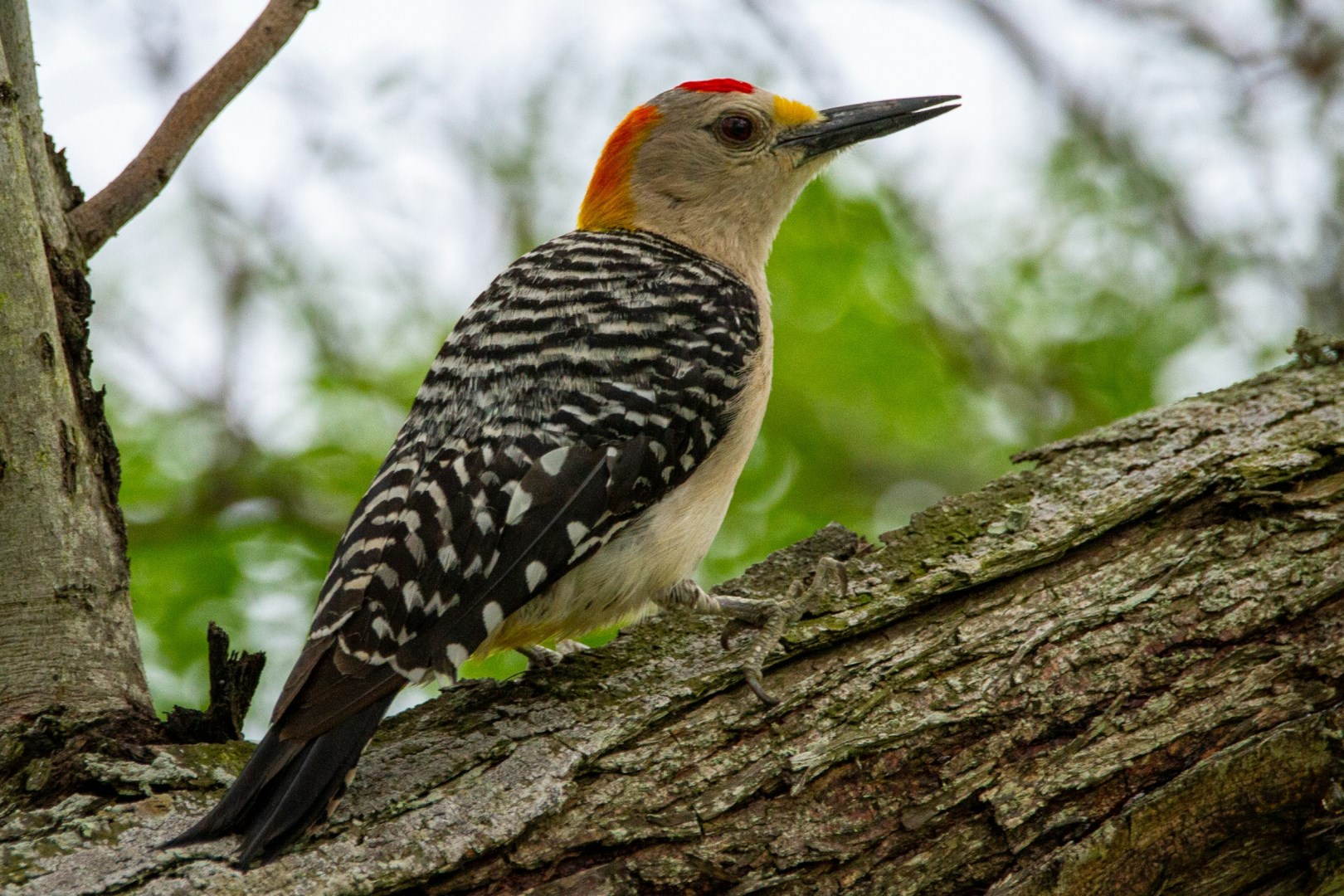
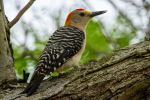
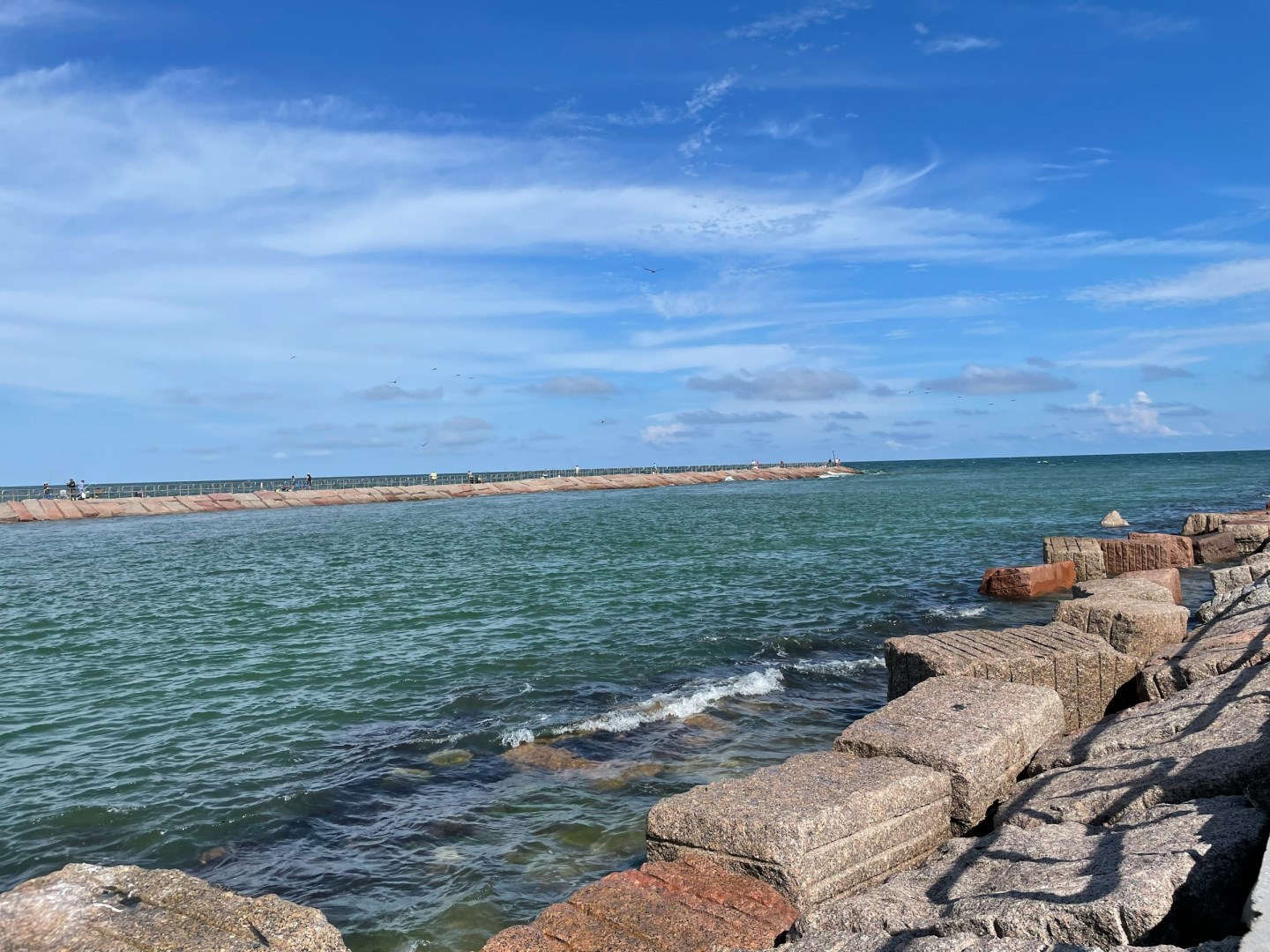
Corpus Christi offers access to several distinctive coastal landscapes. Padre Island National Seashore protects one of the longest undeveloped barrier island shorelines in the world and provides habitat for sea turtles, shorebirds, and other coastal wildlife. Mustang Island State Park offers beach access, camping, fishing, and birdwatching, while the Texas State Aquarium features marine species from the Gulf of Mexico and Caribbean. The city itself has a long waterfront, with parks and paths around Corpus Christi Bay, while nearby wetlands and estuaries provide important nursery habitat for fish, shellfish, and migratory birds.
Seafood is central to Corpus Christi's food culture, with redfish, shrimp, oysters, crab, and Gulf fish appearing frequently on local menus. Mexican and Tex-Mex traditions are equally important, with tacos, enchiladas, tamales, and other dishes reflecting the city's strong South Texas connections. Fishing remains a major recreational activity, supported by piers, jetties, charter boats, and extensive bay waters. A distinctive feature of the city is its combination of a working port with protected coastal habitats nearby, allowing industrial waterfronts, beaches, barrier islands, and wildlife refuges to exist within the same broader coastal landscape.


Call: 541-622-8284
Text Only: 541-613-2375
FL Seller of Travel # ST38545
CA Seller of Travel # 2071045-50
Medford, OR 97504